The Problem

Food Shift - The Problem Banner

40% of all food produced in the United States is wasted

Meanwhile, 50 million Americans are food insecure.


"placeholder

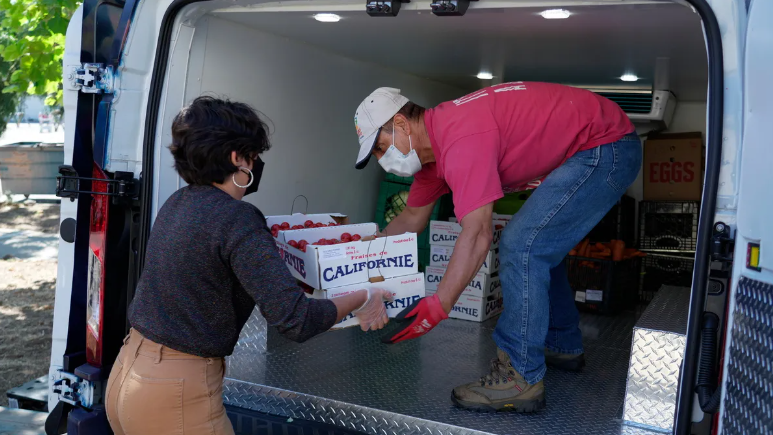
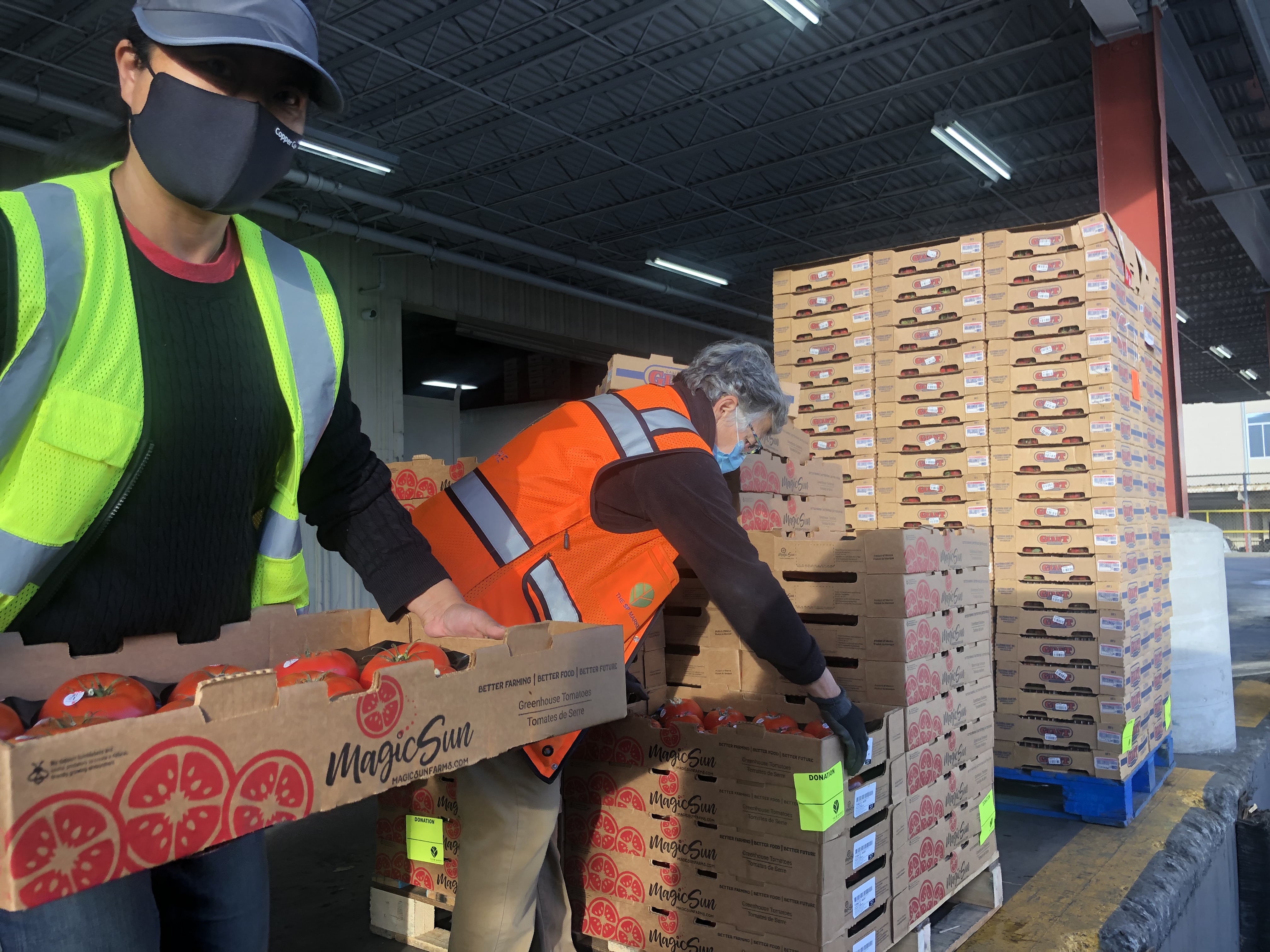
This disturbing reality is destructive to the environment and to the health of our communities. Each time food goes uneaten, all the resources that went into producing, processing, packaging, and transporting that food are wasted too. This means huge amounts of land, water, energy, money, and other materials are depleted unnecessarily. Wasting all this food is costly to individuals, businesses, municipalities and the environment. Given the resources demanded for food production, the increasing realities of climate change, and the fact that 1 in 6 Americans are hungry, it is critical that we shift our behaviors towards a more sustainable and efficient use of food.

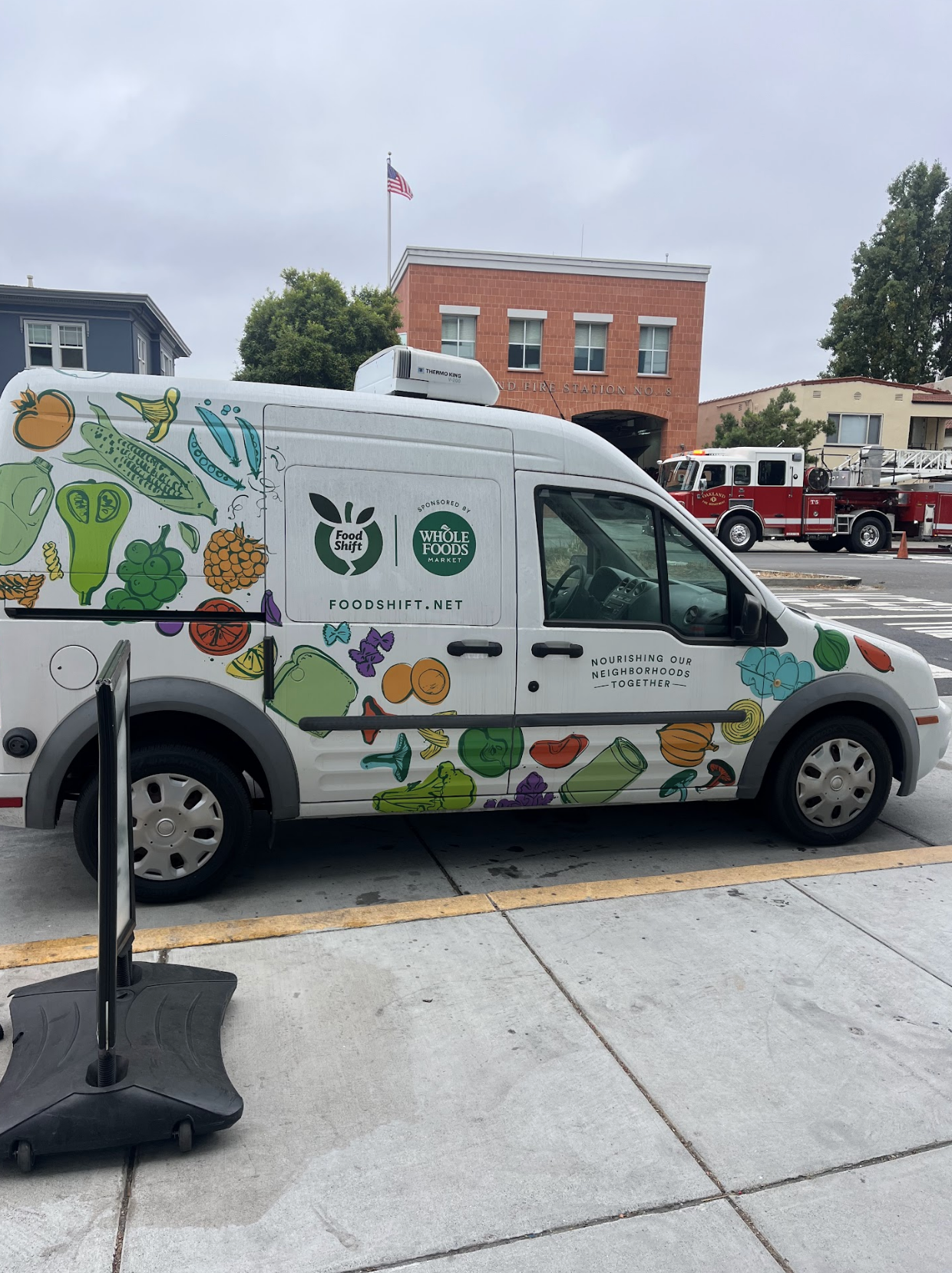
At Food Shift, we know that food isn’t waste— it’s valuable nutrition that uses precious environmental resources and should be used feed people in our communities. Through our events, online resources, and collaborative programs we provide guidance and promote opportunities for individuals, organizations, and businesses to use food waste reduction as a strategy that saves money, benefits the community, and alleviates strain on the environment. By trimming waste and diverting food loss we can alleviate hunger, create jobs, combat climate change, conserve natural resources, and cultivate more sustainable communities.

FoodShift Food Waste Infographic Part 1
FoodShift Food Waste Infographic Part 2
FoodShift Food Waste Infographic Part 3
FoodShift Food Waste Infographic Part 4

The Good Samaritan Act

No excuses since 1996 for wasting food.


  • Spread the Word!
  • Tweet about the Good Samaritan Act to show your followers that its okay to donate food instead of letting it go to waste.

In 1996 President Clinton passed the Good Samaritan Food Act to encourage companies and organizations to donate healthy food that would otherwise go to waste. This law:

  • Protects businesses from liability when they donate to a non-profit organization

  • Protects businesses from civil and criminal liability should the product donated in good faith later cause harm to the recipient

  • Standardizes donor liability exposure. No need to investigate liability laws in each state

  • Sets a floor of “gross negligence” or intentional misconduct for persons who donate grocery products. According to the new law, gross negligence is defined as “voluntary and conscious conduct by a person with knowledge (at the time of conduct) that the conduct is likely to be harmful to the health or well-being of another person.”

In 1996, Congress passed the Emerson Good Samaritan Food Donation Act. The act encourages food donation by limiting liability of businesses and nonprofits which donate and distribute food to those in need. The legislation allows that any person or business that donates, or any non-profit that receives food and groceries, “shall not be subject to civil or criminal liability arising from the nature, age, packaging, or condition of apparently wholesome food or an apparently fit grocery product that the

person or gleaner donates [or non-profit receives] in good faith… for ultimate distribution to needy individuals.” This is great news for restaurants, grocery stores, caters, farmers markets and other food purveyors who worry about the legality of donating leftover or unsold food! Click here for more information on The Good Samaritan Act and how it encourages and protects food donation or to learn how you and your business can donate excess food.

Leave a Reply

Your email address will not be published. Required fields are marked *

*

You may use these HTML tags and attributes: <a href="" title=""> <abbr title=""> <acronym title=""> <b> <blockquote cite=""> <cite> <code> <del datetime=""> <em> <i> <q cite=""> <strike> <strong>