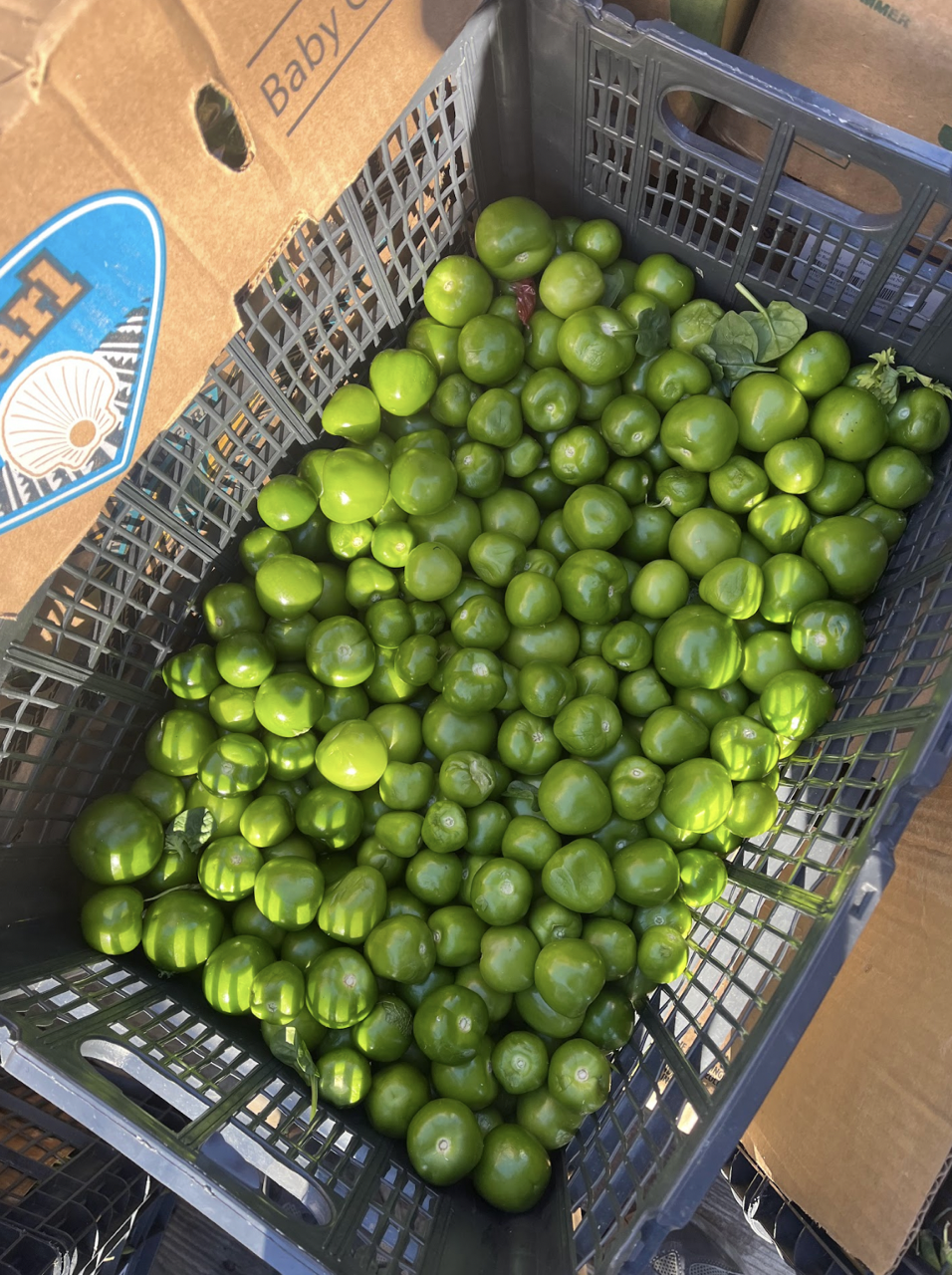
Reduce Wasted Food
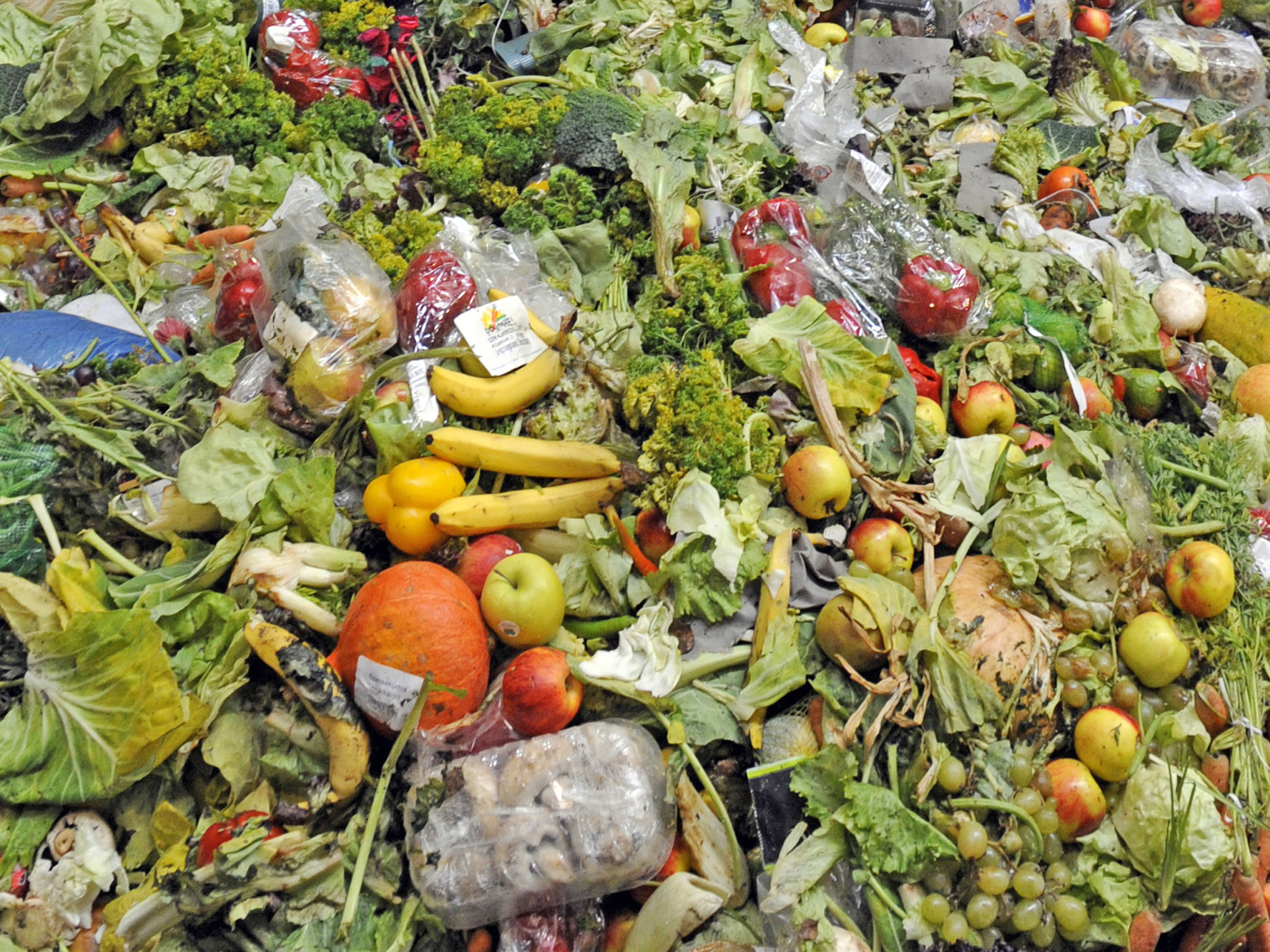
35% of the food produced in the United States goes to waste, and a significant portion of that waste happens in our homes. Whether it’s moldy cheese, limp cilantro, or long-lost leftovers in the back of the fridge, chances are you’ve wasted food this week—and unfortunately you’re not alone.
An easy way to make a big difference
35% of the food produced in the United States goes to waste, and a significant portion of that waste happens in our homes. Whether it’s moldy cheese, limp cilantro, or long-lost leftovers in the back of the fridge, chances are you’ve wasted food this week—and unfortunately you’re not alone.
Americans waste about 25% of all food purchases: that’s like buying 4 bags of groceries and forgetting one in the parking lot. Food is wasted when we buy more than we need, store it incorrectly, throw away leftovers, or cook too much. The average American household could save almost $3000 a year by sending less food to the landfill.
The first step is to make a game plan.

At Home

At the market
Often ‘use by’ and ‘sell by’ dates do not accurately indicate food safety. Besides those on infant formula and some baby food, these dates are not federally regulated, so it is important to be able to determine food safety regardless of labeling. Check out eatbydate.com for more on food shelf life and safety. Engage your senses of smell, touch, and taste to determine a food’s freshness.

At school



recipes
From the Food Shift Kitchen: How to Make Vegetable Broth Using Scraps
Broth can be made with most vegetable peels, tops, ends and stems. Save your useful scraps in a quart mason jar or bag and store in the freezer. Once it’s full, it’s time to make a new batch of broth.
Ingredients:
- 3-4 cups (or more) vegetable trimmings: carrot peels and tops, celery ends, onion ends and skin, potato peels, herb leaves and stems, garlic skins, mushroom stems. Wilted vegetables work just fine too.
- 3 quarts water
- 10 – 12 whole peppercorns (optional)
- 2 bay leaves (optional)
Instructions:
- Place all ingredients in a large pot.
- Bring the water up almost to a boil and then reduce heat to a simmer. Simmer uncovered for 30 minutes to 1 hour.
- Strain out solids through a fine-mesh strainer and discard in the compost bucket.
- Use broth immediately or cool and store in the refrigerator for up to 1 week or in the freezer for up to 1 year. (If you are going to freeze your broth, leave some space at the top of your storage container because the liquid will expand as it freezes.)
More recipes to come!
Resources
Download for free: Food Shift’s guides on how to get the most out of your food here.
Sustainable Event Management: A Practical Guide by Meegan Jones: tips for minimizing food waste at your event
StopFoodWaste.org: food-saving tips and tricks