Reduce Wasted Food
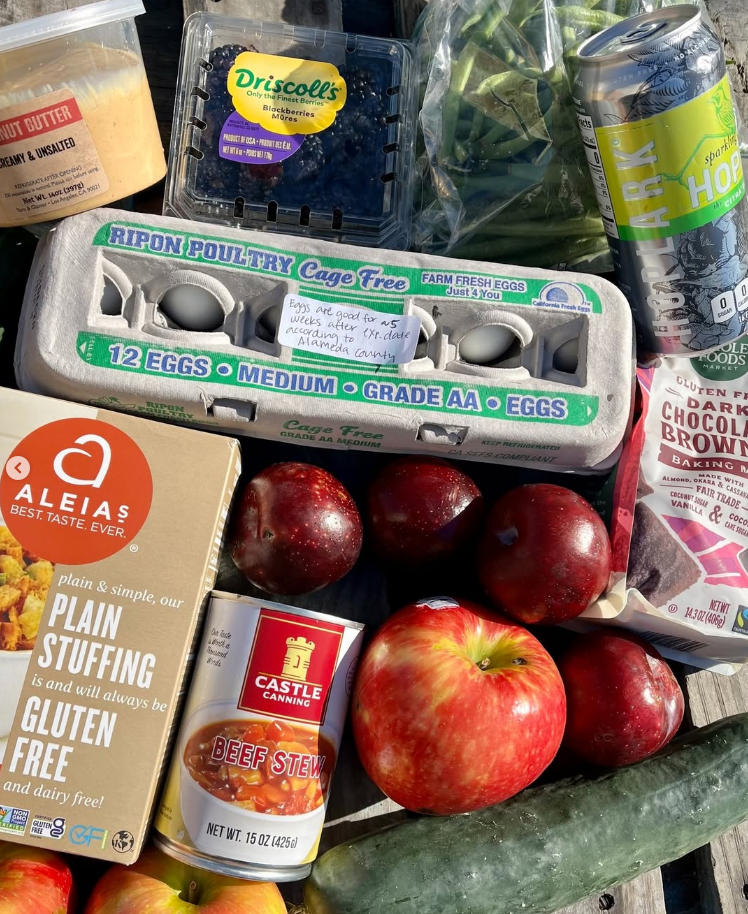
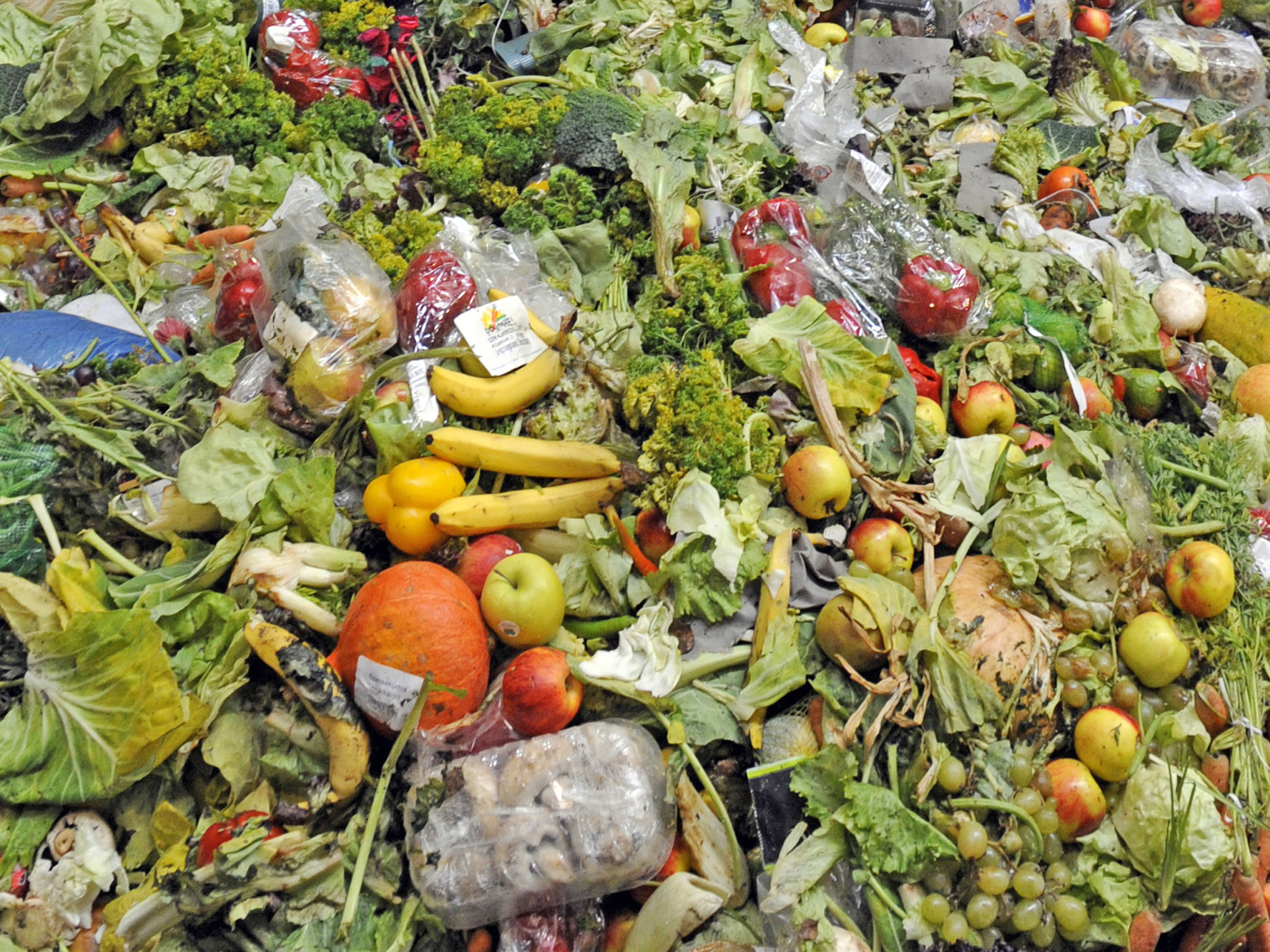
35% of the food produced in the United States goes to waste, and a significant portion of that waste happens in our homes. Whether it’s moldy cheese, limp cilantro, or long-lost leftovers in the back of the fridge, chances are you’ve wasted food this week—and unfortunately you’re not alone.
An easy way to make a big difference
This component has a heading and then paragraph text. This text can have links and formatting.
Sed ac semper velit, fermentum porttitor risus. Etiam scelerisque tincidunt massa, sit amet lobortis massa. Pellentesque a efficitur neque. Nullam tempor mauris a elit tristique, sit amet mollis erat cursus. Vivamus sed velit semper, fringilla augue eu, aliquam tellus. Proin mollis felis lacus, id facilisis arcu venenatis eu. Suspendisse dapibus ligula vitae leo rhoncus tristique. Ut sit amet egestas velit, non suscipit ligula. Nulla interdum consequat consequat. Quisque efficitur risus quis porta mattis. Vestibulum pellentesque ante id erat lacinia, ac imperdiet justo consectetur. Vivamus tristique consequat risus sit amet ultrices.


First In First Out
Assess what you already have in your fridge and cabinets. Identify which items should be eaten soonest and plan meals that incorporate those foods.
Strategize Storage
Not sure the best way to store cooked beans or whether you can freeze dairy? Consult the A-Z Food Storage Tip Guide to learn how to keep food fresh longer. Follow the tips below to determine what to store in your fridge or leave on the countertop


- Apples, berries, cherries, grapes, kiwi, lemons, and oranges
- Almost all vegetables and herbs
- Keep cilantro fresh up to two weeks longer by placing stems in water and covering the greens in a plastic bag.
- After ripening at room temperature, refrigerate melons, nectarines, apricots, peaches, plums, avocados, pears, tomatoes.
- Keep celery and lettuce crisp by cutting ends and storing upright in jar of water in fridge door.
- In a cool place, store bananas, mangos, papayas, pineapples.
- In a cool, dark place, store potatoes, onions.
- At room temperature, store basil, winter squashes (once cut, store squash in fridge).
- Freeze items that are close to spoiling to time lock their freshness.
- Slow spoilage by storing fruits and vegetables in separate bins. Fruits release a natural gas that speeds the spoilage of nearby produce, so store bananas, apples, and tomatoes by themselves.
- Use storage bags and containers designed to extend produce life.
- To prevent mold, wash berries just before eating.
Tips
- Make stock from vegetable trimmings and poultry carcasses
- Repurpose leftover bread as croutons, stuffing, or the base for bread pudding
- Stir-fry leftover veggies, meat and rice
- Chop and freeze aging fruit to use in smoothies
- For more ideas, consult the Food Shift Cookbook. Our chefs share their favorite recipes that reduce waste in the Food Shift kitchen.
Have excess food to donate? Share food with neighbors or donate to your local food bank. In the San Francisco Bay Area, consider donating to our partners Alameda Food Bank, CityTeam or East Oakland Collective. We recommend you call first to make sure the agency can accommodate your donation.
Concerned about donating food? The Good Samaritan Food Donation Act covers companies and organizations from liability when donating to a nonprofit. Feed our community not the landfill by donating today.
Start your own compost bin or find out more about your local compost program.
For two weeks, list everything you throw out. At the end of those weeks, evaluate the list and learn to purchase and store better next time. Use Food Shift’s go-to food waste calculator to measure your impact.
Often ‘use by’ and ‘sell by’ dates do not accurately indicate food safety. Besides those on infant formula and some baby food, these dates are not federally regulated, so it is important to be able to determine food safety regardless of labeling. Check out eatbydate.com for more on food shelf life and safety. Engage your senses of smell, touch, and taste to determine a food’s freshness.
It’s easy to forget about items hiding in the back of the pantry or freezer. Taking stock of what you already have not only prevents duplicate purchases but can also inspire new culinary creations.
Stick to your list and buy only what you need.
Support healthy soil, local farmers, and energy conservation.
To join an existing program, check out the Food Recovery Network, which develops community food recovery and redistribution programs.
To start a new recovery program, contact Food Shift for a free consultation. A quick way to start is to offer a Shared Table.
Encourage your school or university to monitor its waste with Lean Path, an automated tracking system that has helped their customers save money and cut up to 80%t of their food waste. You may also utilize Food Shift’s go-to food waste calculator to measure the environmental impact of your school’s food waste.


From the Food Shift Kitchen: How to Make Vegetable Broth Using Scraps
Broth can be made with most vegetable peels, tops, ends and stems. Save your useful scraps in a quart mason jar or bag and store in the freezer. Once it’s full, it’s time to make a new batch of broth.
Ingredients:
- 3-4 cups (or more) vegetable trimmings: carrot peels and tops, celery ends, onion ends and skin, potato peels, herb leaves and stems, garlic skins, mushroom stems. Wilted vegetables work just fine too.
- 3 quarts water
- 10 – 12 whole peppercorns (optional)
- 2 bay leaves (optional)
Instructions:
- Place all ingredients in a large pot.
- Bring the water up almost to a boil and then reduce heat to a simmer. Simmer uncovered for 30 minutes to 1 hour.
- Strain out solids through a fine-mesh strainer and discard in the compost bucket.
- Use broth immediately or cool and store in the refrigerator for up to 1 week or in the freezer for up to 1 year. (If you are going to freeze your broth, leave some space at the top of your storage container because the liquid will expand as it freezes.)
More recipes to come!
Resources
Download for free: Food Shift’s guides on how to get the most out of your food here.
Sustainable Event Management: A Practical Guide by Meegan Jones: tips for minimizing food waste at your event
StopFoodWaste.org: food-saving tips and tricks